EVIDENCE & IMPACT
Proof that ideas can become schoolwide practice.
These examples show the kind of work BMEP can build with a school: literacy systems, academic competitions, student-voice programs, staff development, and community partnerships. Each case connects implementation evidence to a clear question for prospective clients: what could this look like in your school?
How BMEP reports impact: implementation numbers below come from work already carried out in schools. For client engagements, BMEP can also build the measurement plan into the scope of work—baseline data, progress checks, participation, student work, teacher implementation, and end-of-cycle reporting—so a school receives evidence, not just a presentation.
BUILD THE TARGET INTO THE CONTRACT
Do not wait until the end to ask whether the work made a difference.
BMEP can establish a baseline with the school, agree on realistic targets, and report progress throughout the engagement. The figures below are illustrative planning targets—not claims about past client results. Final targets are set after reviewing the school’s baseline data.
Example: growth on a school-selected reading measure over an agreed implementation cycle.
Example: teachers consistently using agreed instructional routines after coaching and follow-up.
Example: increased participation in reading, enrichment, or academic competition programs.
Baseline, early implementation, mid-cycle review, adjustment point, and end-of-cycle report.
Planning examples, not guaranteed outcomes. Client targets depend on baseline performance, implementation fidelity, timeframe, staffing, and local context.
THE BMEP 360° IMPACT LENS™
We look beyond a single program outcome.
Effective school improvement affects an ecosystem. BMEP considers how an initiative can strengthen six stakeholder groups and uses appropriate evidence to distinguish implementation, observed benefits, and measured results.
System / District
Scalability, consistency, strategic alignment, usable data, and sustainable structures.
Leadership
Visibility, decision-making evidence, implementation clarity, and stronger systems for monitoring progress.
Teachers
Practical tools, clearer expectations, professional learning, instructional consistency, and actionable information.
Students
Learning, agency, engagement, leadership, accountability, confidence, and access to meaningful opportunities.
Parents & Families
Clearer communication, meaningful participation, stronger school-home connections, and visible pathways for support.
Community
Authentic partnerships, civic connection, shared responsibility, and opportunities for schools to contribute beyond campus.
PROGRAM IN PRACTICE | LITERACY
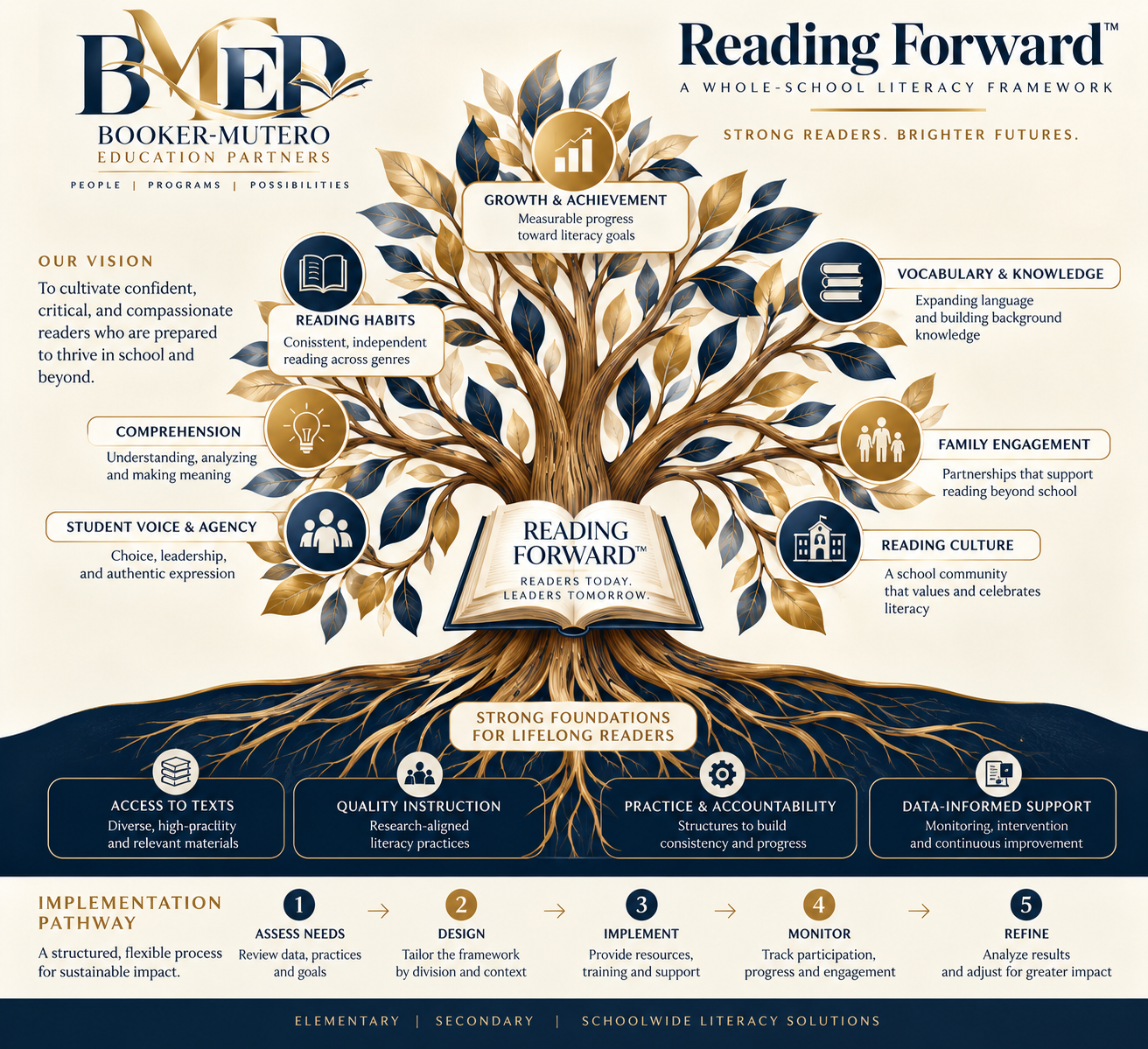
Reading Forward™
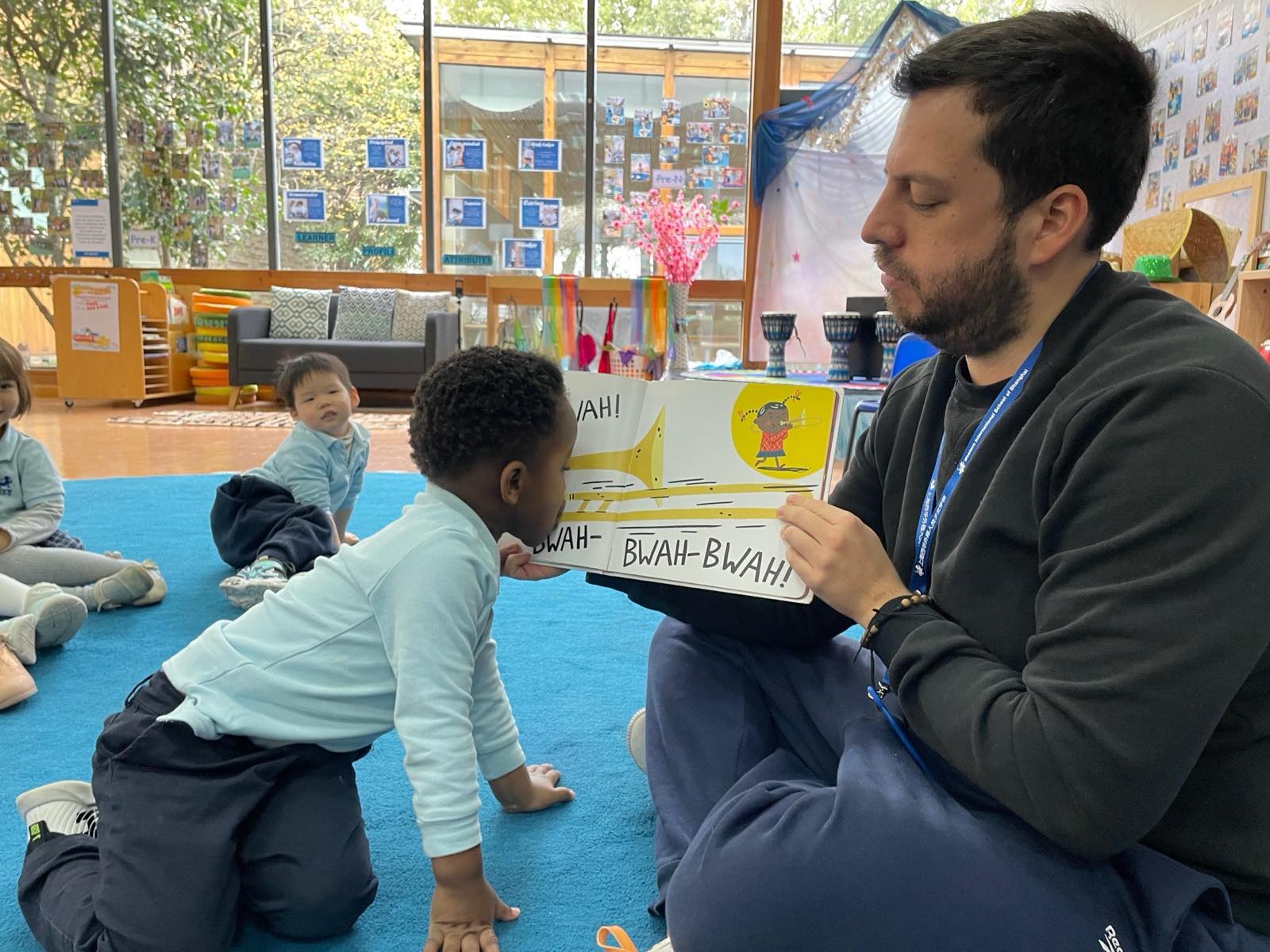
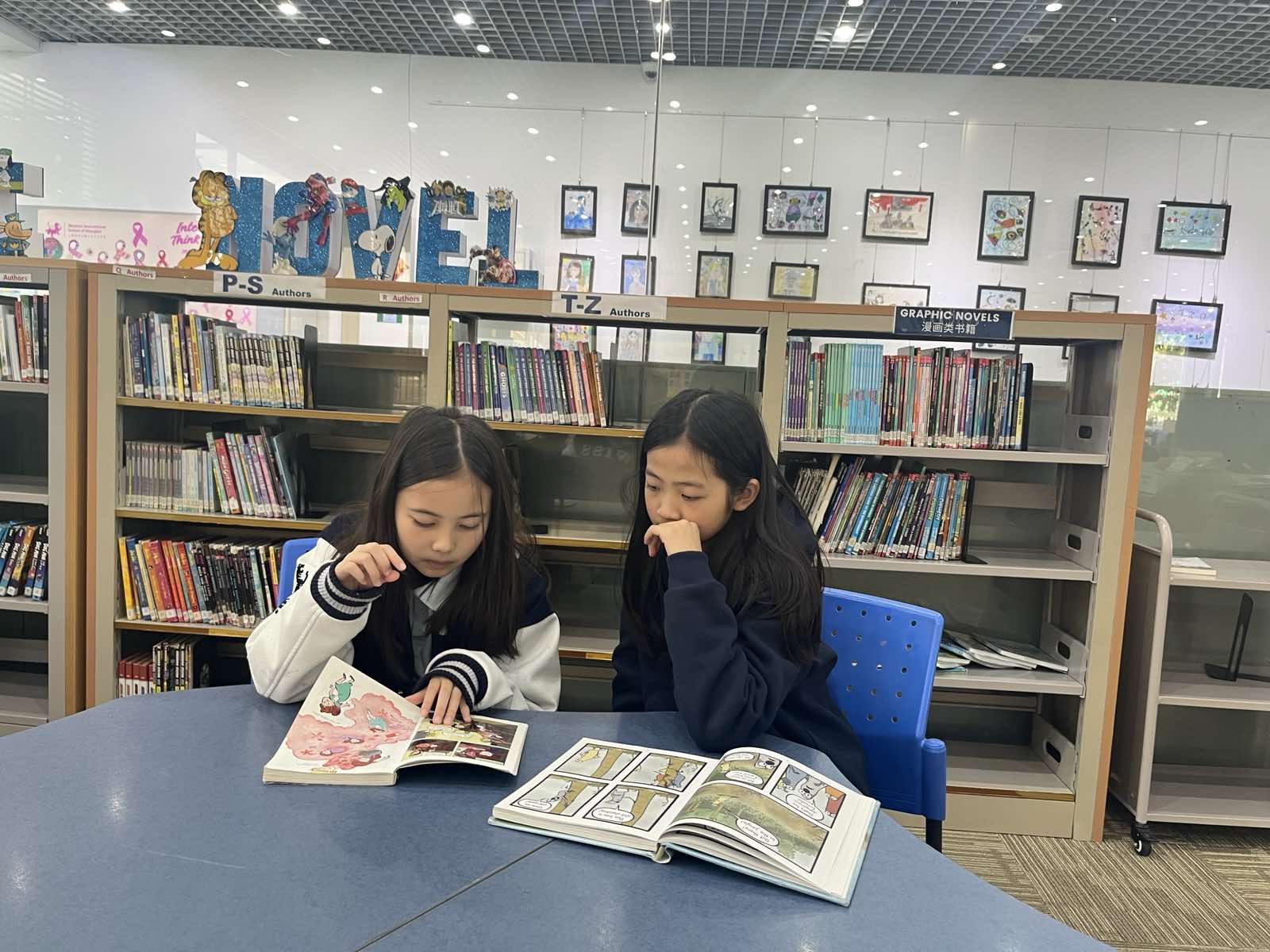
A practical literacy system that puts reading into the daily life of a school—classrooms, libraries, student challenges, recognition, family communication, and leadership follow-through.
IMPLEMENTATION SNAPSHOT
5 grade levels26 primary classes54 Battle of the Books participants9 reading teams2× monthly literacy recognition cycle
The Challenge
The initiative was developed to move reading beyond isolated classroom assignments and create a visible, structured culture of literacy. The model connects reading practice, accountability, student agency, family engagement, recognition, and progress monitoring.
Implementation
Implementation included developmentally appropriate reading tracking, reading passports and visual milestone systems, student reading ambassadors, peer-reading opportunities, student book reviews, family engagement, schoolwide recognition, certificates and milestone awards, literacy celebrations, and mechanisms for monitoring participation and growth.
WHAT THE SCHOOL CAN TRACK
Stronger Reading Habits
Greater consistency, independence, stamina, and purposeful reading practice.
Improved Comprehension
Stronger understanding, discussion, analysis, and response to increasingly complex texts.
Vocabulary & Knowledge Growth
Expanded academic vocabulary and background knowledge through varied texts and experiences.
Greater Student Agency
More choice, reflection, recommendations, leadership, and ownership of reading progress.
Increased Engagement
A school culture in which reading is visible, valued, discussed, and celebrated.
Measurable Literacy Growth
Defined literacy goals and evidence that can guide instructional and intervention decisions.
Stronger Family Engagement
Structured opportunities for families to understand and support students' reading development.
More Responsive Instruction
Student work, participation, and performance evidence used to identify gaps and determine next steps.
IMPACT ACROSS THE SCHOOL COMMUNITY
A scalable literacy structure with clearer approaches to participation, growth, and cross-grade implementation.
Visible implementation indicators, recognition systems, and evidence to inform literacy priorities and resources.
Practical structures for encouraging, tracking, discussing, and responding to reading with greater consistency.
Expanded reading experiences, choice, comprehension, vocabulary, recognition, and leadership opportunities.
Clearer opportunities to participate in literacy development and understand student progress.
A stronger public culture of literacy with opportunities for reading events and broader partnerships.
WHAT WE MEASURE
Baseline → Implement → Monitor → Analyze → Respond → Reassess
SELECTED WORK & IMPLEMENTATION EXPERIENCE
Programs designed to connect learning with action.
These examples demonstrate the program design, leadership, service-learning, and community-engagement experience that informs BMEP's work today.
REPRESENTATIVE PROGRAM IMAGERYSERVICE • HEALTH • COMMUNITY
SERVICE LEARNING | SHANGHAI, CHINA
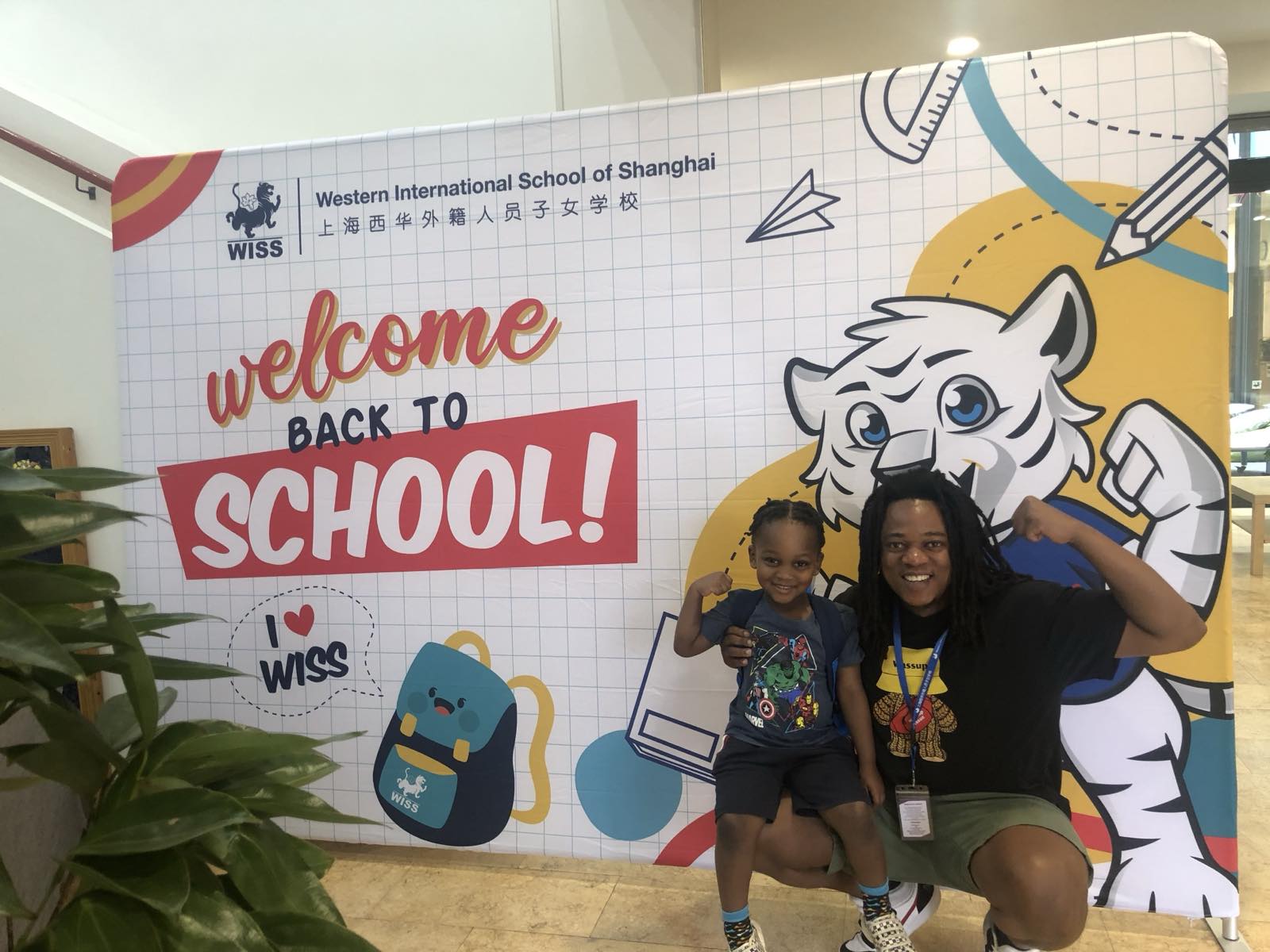
Schoolwide Blood Drive
A school-community initiative at Western International School of Shanghai connecting service, health awareness, civic responsibility, student participation, and authentic community need.
Demonstrated how structured service learning can connect student development, school values, and authentic community needs.
Provided a visible schoolwide expression of community engagement and social responsibility.
Created authentic connections to health, citizenship, communication, reflection, and real-world learning.
Developed leadership, organization, communication, empathy, civic responsibility, and understanding of tangible community impact.
Created a meaningful avenue for families to participate alongside the school in community service.
Supported blood-donation awareness and strengthened connection between the school and the wider Shanghai community.
REPRESENTATIVE PROGRAM IMAGERYAWARENESS • EMPATHY • ACTION
COMMUNITY PARTNERSHIP | SHANGHAI, CHINA
Cancer Awareness & Thriver Engagement
Community-connected learning that brought cancer awareness, lived experience, empathy, advocacy, and meaningful service into the educational environment.
Expanded the school's service-learning portfolio through authentic community-connected programming.
Strengthened opportunities to align school values with visible action and responsible community engagement.
Provided meaningful contexts for discussion, reflection, communication, health awareness, and interdisciplinary learning.
Deepened empathy, awareness, communication, reflection, and understanding of how service can respond to real human experiences.
Created opportunities for family conversations and participation around awareness, care, and community responsibility.
Elevated community voices and strengthened relationships between the school and people affected by cancer.
REPRESENTATIVE PROGRAM IMAGERYLEARN • SERVE • REFLECT
STUDENT AGENCY | SHANGHAI, CHINA
Service-Learning Programs
Service experiences designed as learning—not isolated volunteer events—using a cycle of identifying needs, learning, planning, acting, reflecting, evaluating impact, and considering sustainability.
Identify a Need→Learn→Plan→Act→Reflect→Measure Impact→Sustain
Established a repeatable approach for connecting community engagement with educational purpose.
Provided a structure for aligning service initiatives with school mission, student development, and community relationships.
Created authentic opportunities for interdisciplinary planning, reflection, communication, and application of learning.
Built agency, problem-solving, empathy, leadership, collaboration, reflection, and civic responsibility.
Made service a shared school-family experience rather than an activity confined to the classroom.
Centered genuine community needs and reciprocal partnerships rather than service for appearance alone.
REPRESENTATIVE PROGRAM IMAGERYLEADERSHIP • CHARACTER • BELONGING
YOUTH DEVELOPMENT & COMMUNITY PARTNERSHIP | SHANGHAI, CHINA
Bringing Scouting Into the School Community
School-based access to Girl Scout and Boy Scout opportunities connected students and families with established youth-development organizations and expanded opportunities for leadership, service, practical skills, teamwork, mentorship, character development, and belonging.
Expanded the student-development ecosystem through established community organizations without requiring the school to create every extracurricular structure internally.
Added a structured pathway for leadership, character, service, belonging, and community involvement within the broader school experience.
Complemented classroom expectations around responsibility, teamwork, communication, perseverance, citizenship, and positive habits.
Expanded access to leadership, service, teamwork, practical skills, mentorship, achievement, recognition, and a stronger sense of belonging.
Created an additional avenue for families to participate in children’s development and become more connected to the school community.
Strengthened relationships between the school and established youth organizations while bringing additional mentors and community resources closer to students.
FROM IMPLEMENTATION TO BMEP MODEL
Building the Village Again™
This experience helped shape BMEP’s broader approach to reconnecting schools with families, mentors, youth organizations, civic groups, libraries, universities, nonprofits, local businesses, cultural organizations, and other community resources. Schools should not have to meet every need alone; strong communities surround children with people and opportunities that reinforce learning, character, responsibility, service, and belonging.
LITERACY IMPLEMENTATION | PRIMARY SCHOOL
Battle of the Books: Turning Reading Into a Team Sport
BMEP brought a structured Battle of the Books model into school so reading became preparation for a shared academic challenge.
54student participants
9reading teams
6students per team
3primary grade levels
What BMEP Built
A repeatable competition structure: recruitment, teams, reading expectations, preparation sessions, question development, family/staff communication, and a pathway from preparation to competition.
What a Client School Can Measure
Books completed, participation and retention, comprehension performance, preparation attendance, reading-volume changes, and literacy growth from the starting point.
For your school: BMEP can launch Battle of the Books as a stand-alone literacy engagement or build it into Reading Forward™ as the high-engagement competition strand.
GLOBAL ACADEMIC ENRICHMENT | SCHOOL IMPLEMENTATION
World Scholar’s Cup: From Opportunity to School Program
BMEP has brought World Scholar’s Cup implementation into schools as a structured academic-enrichment opportunity rather than simply sending students to an outside event.
The Product Schools Can Buy
BMEP helps establish the internal system around the opportunity: identify participating students, build a preparation calendar, coordinate staff roles, organize practice, communicate expectations, and connect the experience to wider academic goals.
How Impact Can Be Reported
Participation and retention, preparation attendance, writing and speaking rubrics, student reflection, competition participation, teacher observations, and evidence of interdisciplinary skill development can become part of the final report.
For your school: scope this as an enrichment launch, a competition-preparation cycle, or part of a broader student-program portfolio.
STUDENT VOICE & COMMUNICATION | SHANGHAI, CHINA
Bringing TED-Ed Student Talks Into Schools
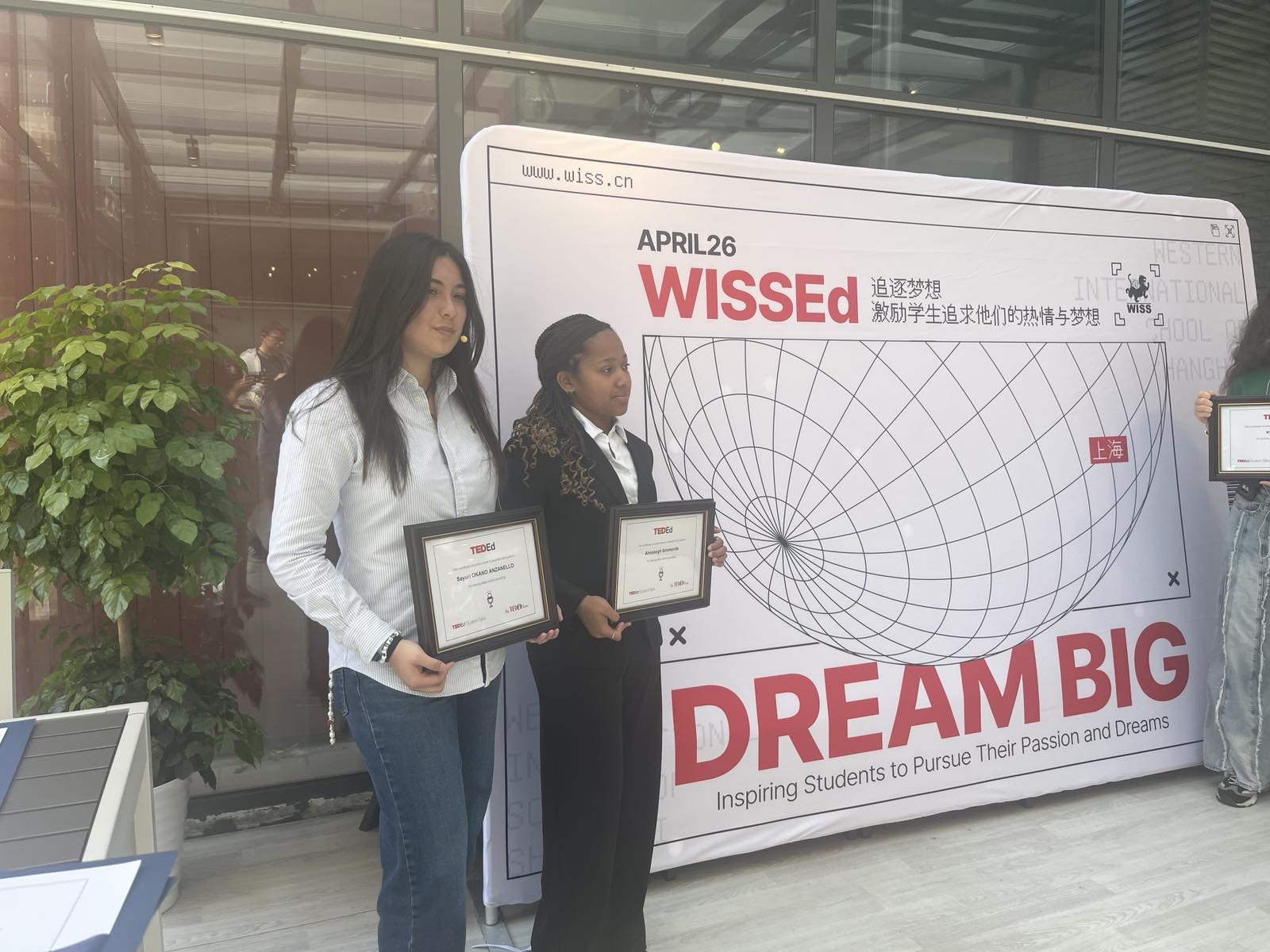
Students were given a real reason to research, write, revise, rehearse, and speak: they had an idea worth sharing and an audience waiting to hear it.
The Work
BMEP introduced the TED-Ed Student Talks format as a structured student-voice opportunity. Students did not simply “give a speech.” They had to identify an idea, shape a message, organize their thinking, write and revise, rehearse delivery, and present to an authentic audience.
Why Schools Use This Kind of Program
The same project brings together literacy, research, communication, confidence, and presentation skills. It also gives teachers a concrete structure for coaching students through a longer piece of work from first idea to final delivery.
What BMEP Can Deliver
For a client school, this can be packaged as a student-voice initiative with a launch plan, staff guidance, student milestones, rehearsal protocols, showcase planning, and an evidence set that includes participation, completed talks, student reflections, and presentation rubrics.
COMMUNITY PARTNERSHIP | SHANGHAI, CHINA
Juneteenth in Shanghai
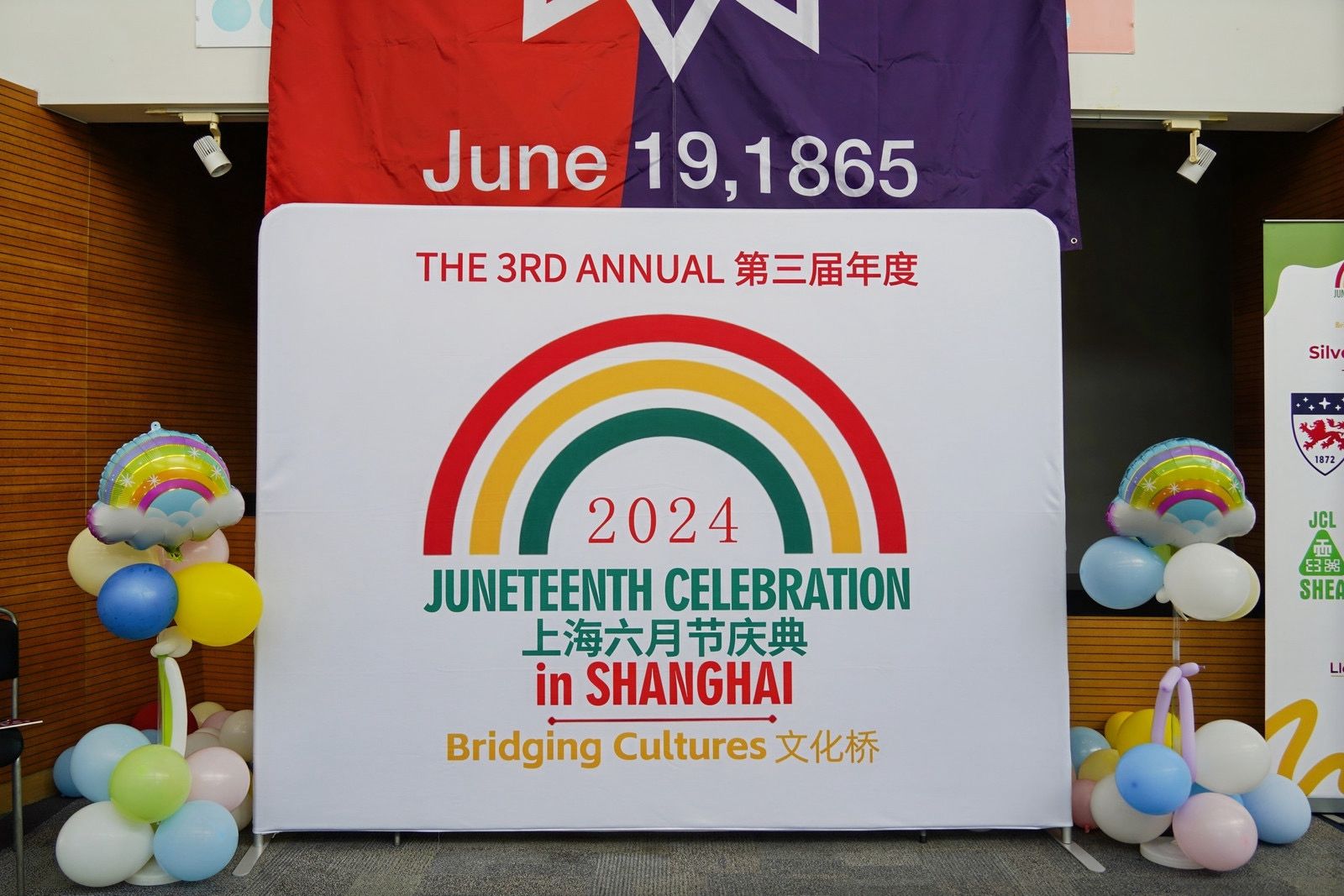
A community celebration where history, student service, civic partnership, and school-community engagement came together in one place.
The Assignment
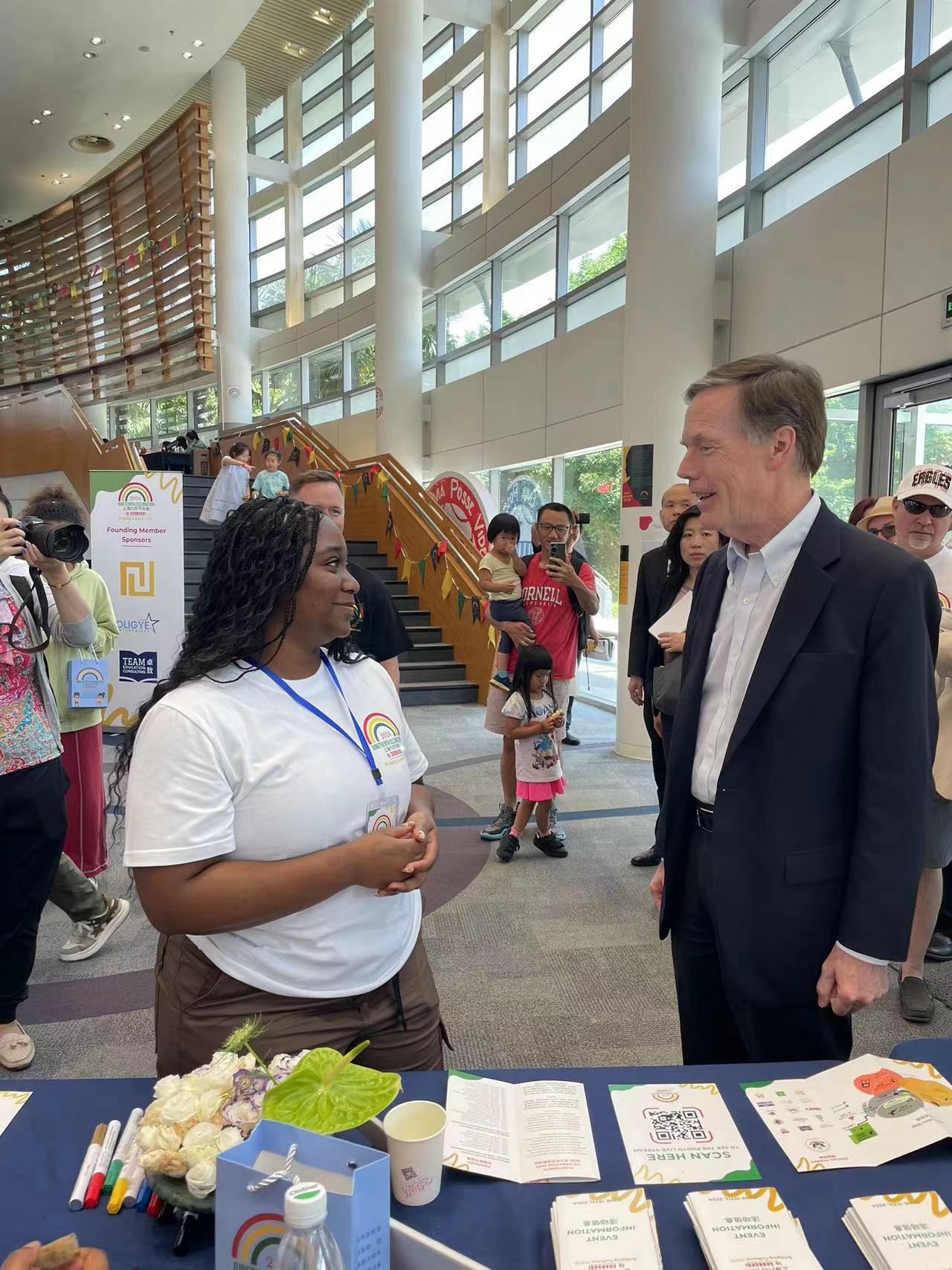
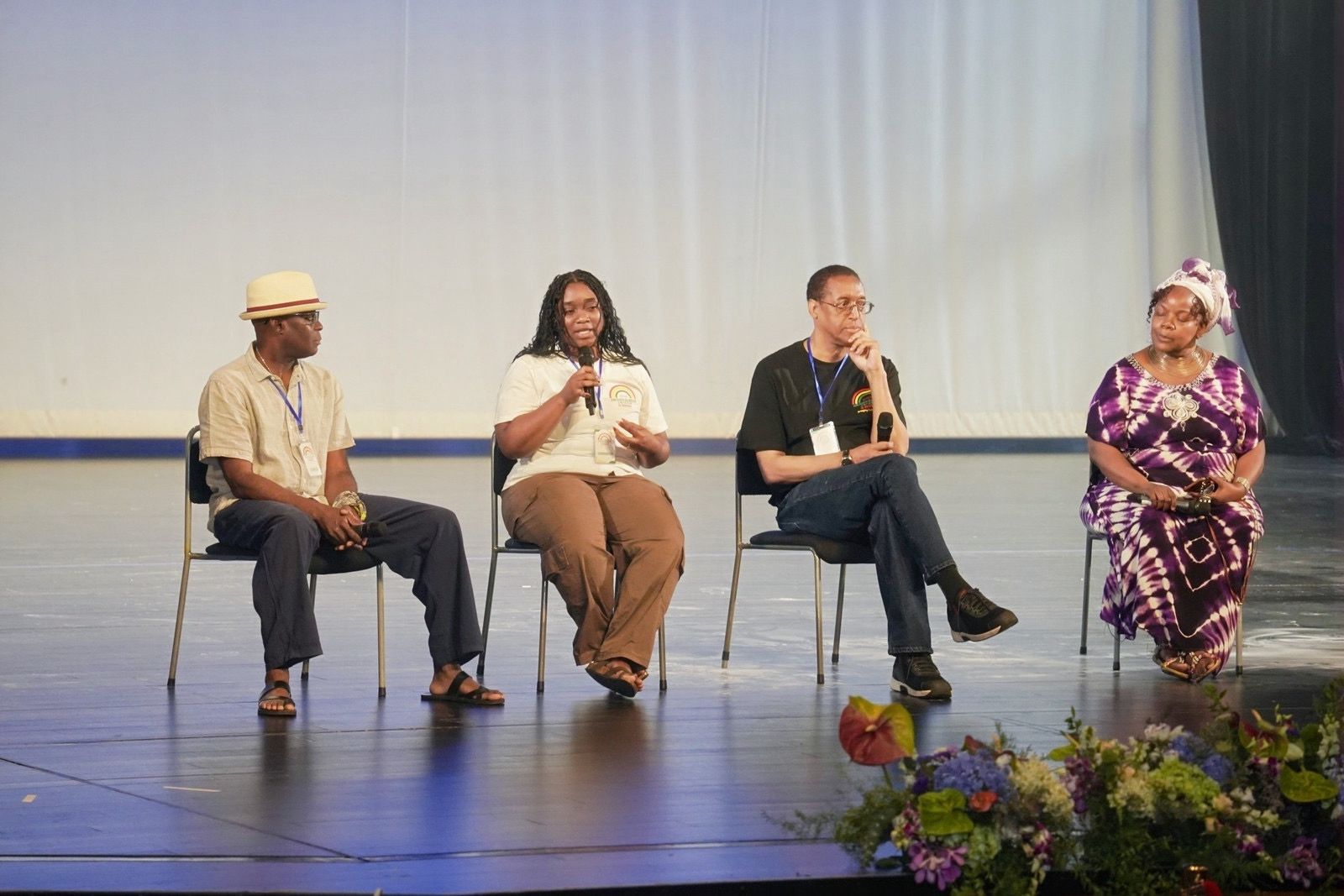
The U.S. Consulate General Shanghai partnered with Shanghai American School, BMEP, and other community partners to celebrate Juneteenth with the Shanghai community. The event needed more than a program and a venue; it needed people who could help bring students, volunteers, families, and community participants into the experience.
What BMEP Did
BMEP helped recruit and organize student volunteers and community volunteers, supported community participation, and helped connect the educational purpose of the celebration with the people attending it. The work sat at the intersection of schools, civic organizations, students, and the wider community—the kind of coordination at the center of Building the Village Again™.
What This Demonstrates for a School
BMEP can help a school move a community-facing idea from “we should do this” to an organized experience: identify partners, define roles, recruit people, build student leadership into the work, coordinate participation, and keep the educational purpose visible.
DOCUMENTED COMMUNITY PARTNERSHIP | SHANGHAI, CHINA
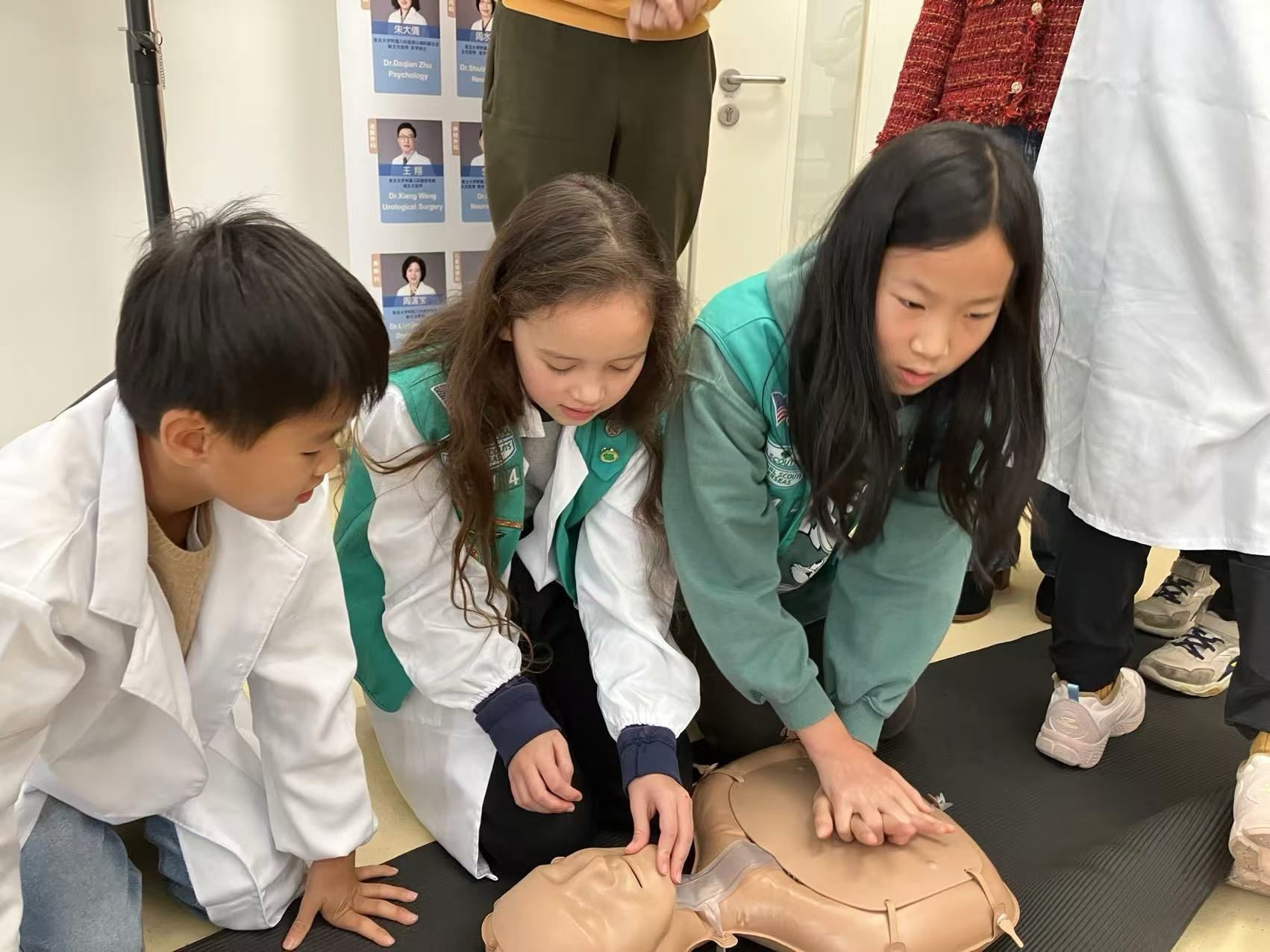
CPR & First Aid: StarKids Children’s Hospital + Schools + Scouting
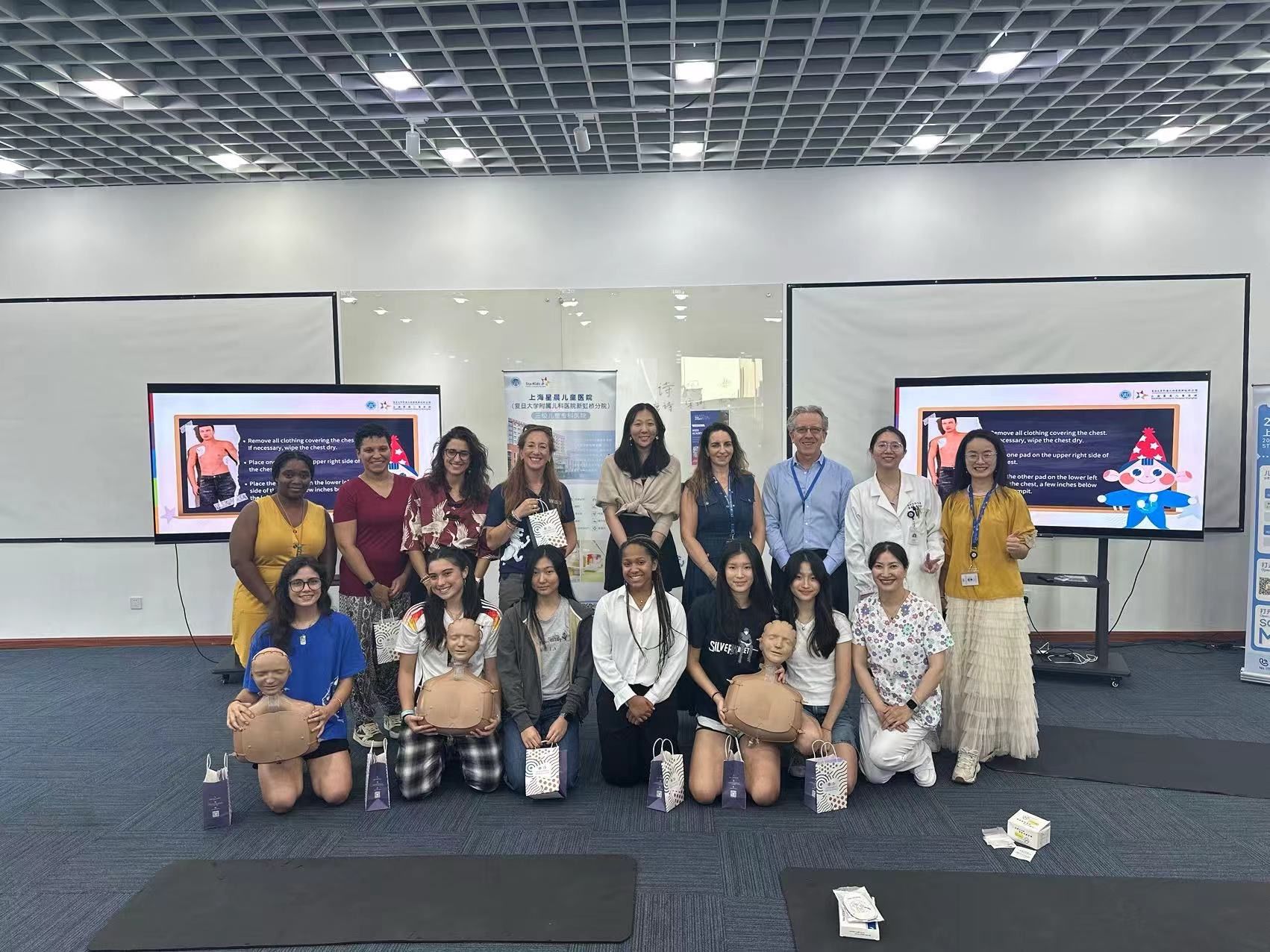
A BMEP-sponsored learning partnership connecting schools and Girl Scout and Boy Scout troops with medical professionals for practical lifesaving education.
Partnership in Practice
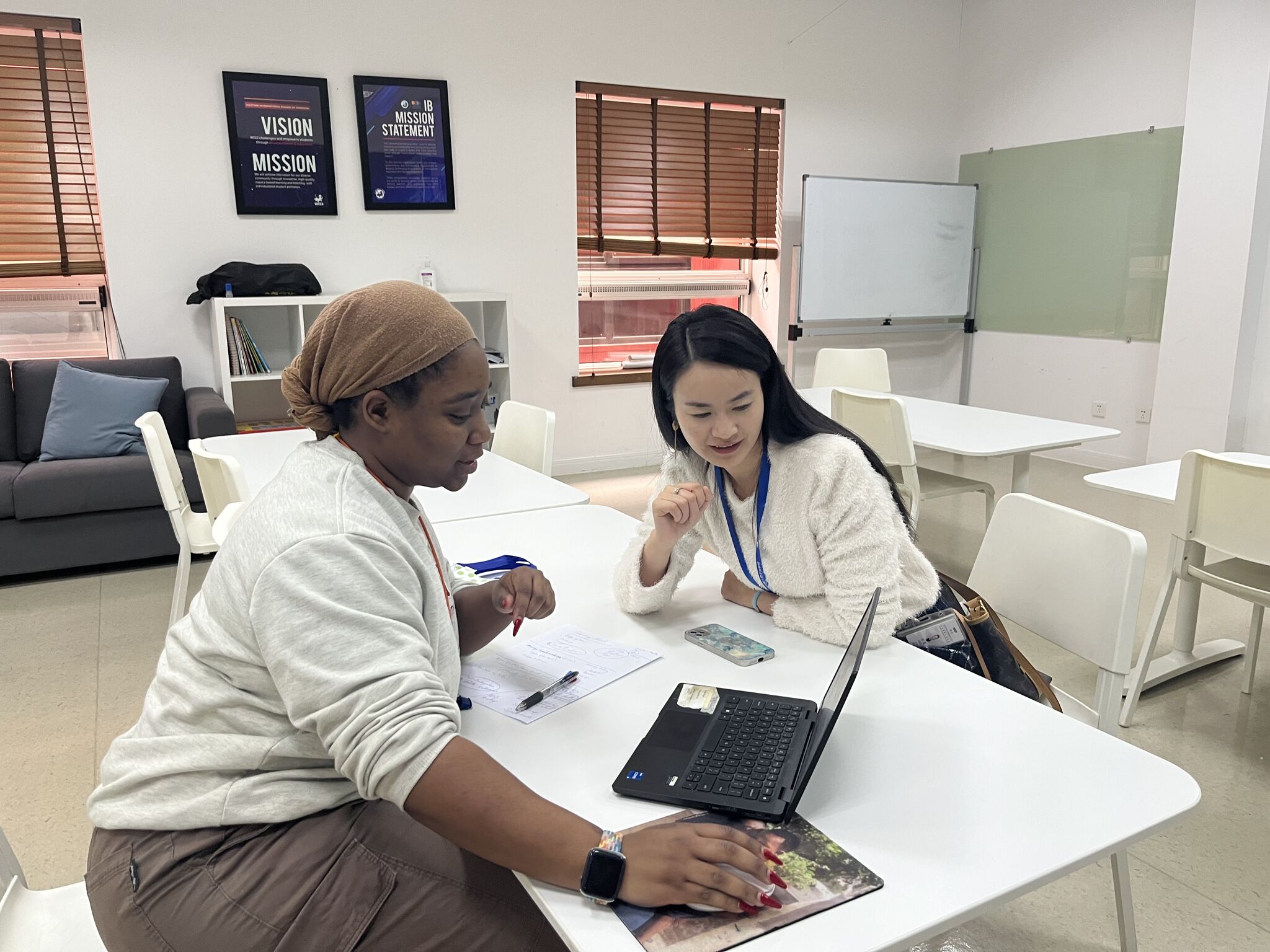
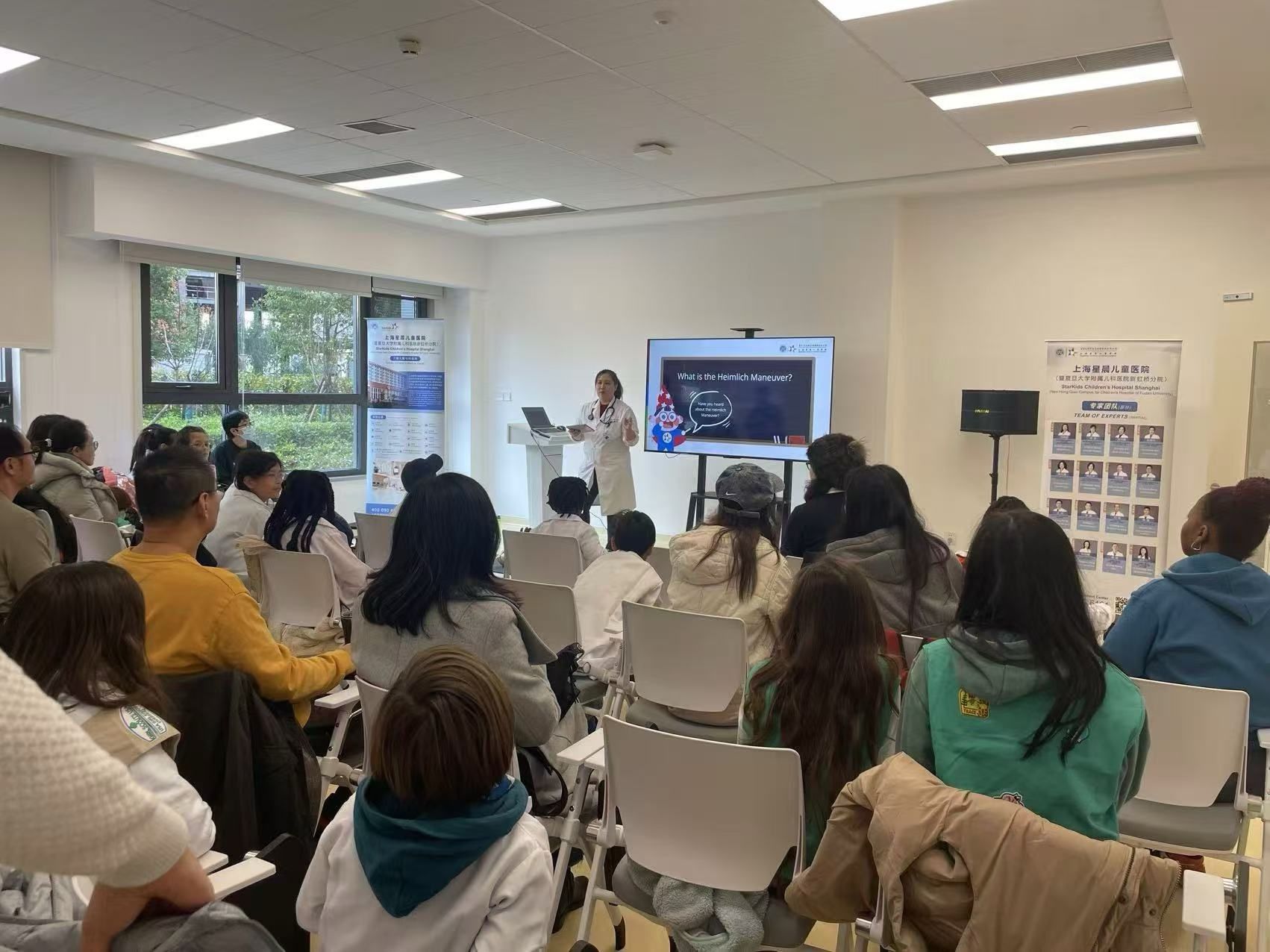
Through BMEP sponsorship, schools and Girl Scout and Boy Scout troops in Shanghai participated in a hands-on CPR and first-aid learning experience supported by StarKids Children’s Hospital. The partnership brought medical expertise directly into the student learning experience and gave young people opportunities to practice practical lifesaving skills.
Why It Matters
The model demonstrates how schools can expand learning without trying to build every program internally. Community experts contribute authentic knowledge; schools create access and educational purpose; youth organizations reinforce leadership, service, preparedness, teamwork, and responsibility.
BUILDING THE VILLAGE AGAIN™
Community expertise becomes part of the learning ecosystem.
BMEP helps schools identify and develop partnerships with organizations that can enrich student learning, family engagement, character development, service, practical skills, and community connection.
BMEP COMMUNITY FRAMEWORK
Building the Village Again™
Schools already have people around them who can help—parents, hospitals, civic organizations, youth groups, businesses, mentors, alumni, and local experts. The problem is that those relationships are often informal or only used for one-off events. BMEP helps schools turn them into purposeful partnerships.
Start with the school’s actual needs, then identify families, organizations, and professionals who can contribute something useful.
Clarify what the school needs, what the partner will provide, who owns each task, and what students should gain from it.
Build in student leadership, service, communication, mentoring, or hands-on learning instead of making students passive attendees.
Document participation and outcomes so a strong partnership can become part of the school calendar rather than disappear after one event.
RESEARCH-ALIGNED, EVIDENCE-CONSCIOUS PRACTICE
BMEP designs programs around established educational principles, clear implementation expectations, stakeholder needs, and measurable indicators. We distinguish between research that informs a model, evidence that an initiative was implemented, observed stakeholder benefits, and verified outcome data. We do not present unmeasured outcomes as measured results.
FROM EXPERIENCE TO EVIDENCE
Implementation matters. Evidence makes it actionable.
BMEP distinguishes between what was implemented, what stakeholders observed, and what has been quantitatively measured. Where verified baseline and outcome data are available, we use them. Where they are not, we do not manufacture results.
Define
Agree on the problem, intended outcomes, stakeholder needs, and measures of success.
Implement
Build the systems, resources, training, communication, and structures required for the work.
Monitor
Collect implementation evidence, participation data, student work, assessment information, and stakeholder feedback.
Evaluate
Analyze progress, identify gaps, distinguish activity from impact, and determine what should change next.
BUILD YOUR NEXT CASE STUDY WITH US
Start with a need. Build toward measurable impact.
BMEP can help your school design, implement, monitor, and refine an initiative that is grounded in your context and connected to meaningful outcomes.
Looking for support?
Explore literacy, professional learning, data analysis, service learning, school improvement, IB PYP development, or founding-school support.
Work With BMEP